Understanding Financial Issues in the Modern Economy
I’ve always found that wrapping my head around financial issues in the modern economy can feel like trying to solve a puzzle blindfolded. It’s complex, ever-changing, and honestly, a bit intimidating at times. But, it’s also incredibly fascinating. The way our economy twists and turns, influenced by global events, technological advancements, and policy changes, is something I think we should all try to understand a bit better. So, I decided to take a closer look at the financial landscape of today’s world. It’s a journey through the intricacies of economic challenges we face and an attempt to make sense of how they affect our everyday lives. From understanding the basics of inflation to figuring out the stock market trends, it’s been an enlightening path that has given me a newfound appreciation for the economy’s impact on our daily lives.
This image is property of images.unsplash.com.
Global Economic Trends
As someone who keeps an eye on the global economy, I’ve noticed some interesting trends that are shaping the world right now. Whether it’s the difference in how emerging markets are performing compared to developed ones, the rise of digital currencies, the effects of trade wars and tariffs, or the growing importance of sustainable and ESG (Environmental, Social, and Governance) investing, these trends are reshaping our financial landscape. Let’s dive into each of these a bit further.
Emerging markets vs developed markets
There’s this ongoing debate about the potential of emerging markets compared to the more stable, but slower-growing developed markets. From what I’ve seen, emerging markets offer high growth prospects due to their young populations, increasing tech adoption, and improving governance. However, they come with higher volatility and risks related to political instability and economic policies. On the other hand, developed markets are generally more stable, offering lower, but more reliable returns. The key, for me, seems to lie in balancing the two for long-term growth.
Digital currency impact
Digital currencies, especially cryptocurrencies like Bitcoin, have hit the scene hard. Initially, I was skeptical about their long-term viability, but it’s becoming clear they’re having a significant impact on how we think about money. From making transactions cheaper and faster to opening up financial systems to those previously unbanked, the potential is vast. However, they also bring issues like regulatory challenges and concerns over their environmental impact.
Trade wars and tariffs
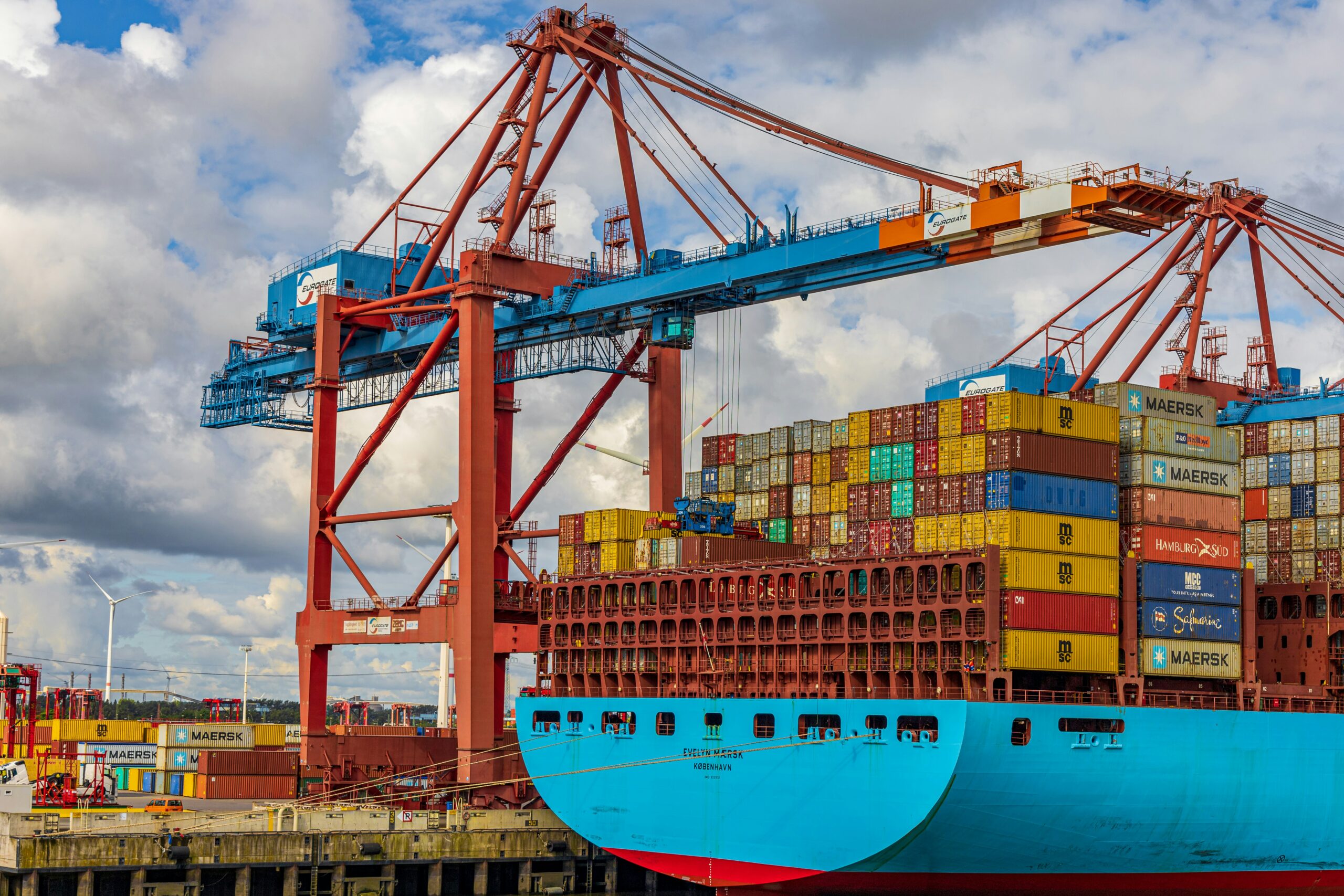
Ah, trade wars and tariffs, the economic tools that often feel more like political weapons. These have been particularly visible in recent years, impacting global supply chains and trade balances. From my perspective, they create uncertainty, leading to increased costs for companies and consumers. However, they also prompt nations to rethink their trade policies and strive for more balanced trade relationships.
Sustainable and ESG investing
It’s impressive to see how sustainability and ESG criteria have moved from niche to mainstream in the investment world. As someone concerned about the future of our planet, it’s heartening to see investors increasingly factor in companies’ environmental and social impacts alongside financial returns. This trend not only helps direct capital towards more sustainable practices but also encourages companies to improve their operations in these areas.
Inflation and Deflation
Understanding inflation and deflation is crucial because they directly affect our wallets. Let me explain a bit about the causes, effects, and policies around these phenomena.
Causes and effects on the economy
Inflation happens when prices increase, and deflation is when they decrease. The causes can vary from increased demand, higher production costs, to monetary policy. Inflation erodes purchasing power, which can hurt consumers but benefit borrowers. Deflation might sound good initially, but it can lead to decreased spending and investments, potentially dragging an economy into a recession.
Central bank policies and interest rates
Central banks play a crucial role in managing inflation and deflation through monetary policies, primarily by adjusting interest rates. Lowering rates can stimulate spending and investment, thus combating deflation, while raising them can help cool down an overheated economy and tackle inflation. It’s a delicate balance, though, as getting it wrong can have serious consequences.
Cost of living adjustments
One direct way I see inflation impacting us is through cost of living adjustments. Salaries, pensions, and benefits often need to be adjusted to keep up with inflation so that people can maintain their standard of living. It’s a vital process, but it can be contentious when inflation rates are high or unexpected.
Hyperinflation in history and current examples
Hyperinflation is inflation on steroids, where prices skyrocket uncontrollably. Historical examples, like post-World War I Germany or more recently Zimbabwe, show how devastating it can be, wiping out savings and causing economic turmoil. While not a common occurrence, it’s a stark reminder of the importance of sound economic policies.
Debt Crisis
Debt, both national and consumer, is a significant issue that can stifle economic growth and lead to crises if not managed carefully. Let’s explore these issues further.
National debts and deficits
National debts and deficits are hot topics. Essentially, when a country spends more than it earns, it borrows to make up the difference, leading to debt. While borrowing isn’t inherently bad and can be necessary for growth, excessive debt levels can hinder a country’s economic prospects and stability. It’s all about finding the right balance.
Consumer debt impact on economic growth
Similarly, consumer debt can fuel economic growth by allowing people to spend money they don’t currently have. However, high levels of debt can lead to financial problems for individuals, potentially causing broader economic issues if a significant number of consumers are unable to spend or default on their debts.
Sovereign debt crises and their resolution
Sovereign debt crises occur when countries can’t meet their debt obligations. Resolving these crises often involves restructuring debt, bailouts, or austerity measures, each with its own set of consequences. International financial institutions like the IMF play a role in helping countries navigate these tough situations.
The role of international financial institutions
International financial institutions (IFIs) like the IMF and World Bank are critical in managing global financial stability. They provide financial assistance, policy advice, and technical assistance to countries. While their involvement can be controversial, their aim is to help countries overcome financial difficulties and foster economic stability.
Unemployment Issues
Unemployment is more than just statistics; it’s a real issue that affects people’s lives and economic health. Let’s break down its types, impacts, and strategies to address it.
Types of unemployment
There are several types of unemployment: frictional (short-term while people search for jobs), structural (mismatch between skills and job requirements), and cyclical (related to economic downturns). Understanding these types helps in addressing them effectively.
Impact on economic health and social stability
Unemployment can have severe impacts on both economic health and social stability. Economically, it means less spending, which can slow down growth. Socially, high unemployment can lead to increased poverty and social unrest. Therefore, managing unemployment is crucial for any society.
Government strategies to reduce unemployment
Governments have various tools to combat unemployment, such as fiscal stimulus, supporting retraining programs, and encouraging job creation in new sectors. These strategies can help reduce unemployment rates and support economic recovery.
The gig economy and underemployment
The rise of the gig economy has changed the employment landscape, offering flexibility but also leading to underemployment for many. While it has opened up new opportunities, there are concerns about job security, benefits, and long-term financial stability for those who rely solely on gig work.

This image is property of images.unsplash.com.
Financial Markets
Financial markets are the lifeblood of the global economy, providing avenues for raising capital, investing, and managing risks. Let’s take a closer look.
Stock market trends and indicators
The stock market is a good indicator of economic health and investor sentiment. While it can be volatile, understanding trends and indicators like the Dow Jones or S&P 500 can provide insights into the overall economic outlook.
Bond markets and interest rates
Bond markets are where governments and corporations borrow money. They’re influenced by interest rates, with bond prices typically moving inversely to rates. Understanding these markets is important for assessing risk and making investment decisions.
Forex markets and currency valuation
The forex market is all about currency trading. Currency values fluctuate based on economic conditions, interest rates, and political stability. It’s a complex but vital market for businesses operating internationally and for investors looking at foreign markets.
Cryptocurrencies and blockchain technology
Cryptocurrencies and blockchain are relatively new but rapidly evolving. They’re challenging traditional financial systems and offering new ways of transacting and raising capital. While volatile, they’re an area I’m watching closely for future developments.
Banking and Finance
Banking and finance are at the core of the economy, handling the flow of money and providing the foundation for economic activities. Here’s my take on recent trends.
Central banks and monetary policy
Central banks, such as the Federal Reserve or the European Central Bank, are key players in the economy. Their decisions on monetary policy directly impact inflation, interest rates, and overall economic health. Understanding their actions is crucial for anyone interested in the economy.
Commercial banking trends
Commercial banks are evolving, with trends towards online banking and fintech innovations leading the way. These changes aim to improve customer experience, increase accessibility, and make banking more efficient.
Online banking and fintech evolution
The rise of online banking and fintech has been remarkable. From mobile payments to blockchain, these technologies are making financial services more accessible and challenging traditional banks to innovate.
Financial regulation and compliance issues
Regulation is critical in ensuring financial stability and protecting consumers. However, it can also pose challenges for innovation and efficiency. Balancing these is an ongoing issue in banking and finance.

This image is property of images.unsplash.com.
Investment Strategies
Investing is about more than just making money; it’s about achieving financial goals and securing a stable future. Here are some strategies and considerations.
Portfolio diversification
Diversification is a key strategy to manage risk. By spreading investments across different assets, sectors, or geographies, you can mitigate the impact of any single investment’s poor performance.
Risk management techniques
Effective risk management involves understanding the risks associated with different investments and strategies to mitigate them. This can include setting stop-loss orders, diversifying, and regularly reviewing one’s investment portfolio.
Index funds vs. active management
The debate between investing in index funds (which track a specific index) and active management (where decisions are made by portfolio managers) is ongoing. Index funds offer a low-cost, passive investment strategy, while active management aims to outperform the market at a higher cost.
Alternative investments
Alternative investments like real estate, commodities, or private equity offer diversification and potential returns uncorrelated to traditional stock and bond markets. However, they also come with their own set of risks and considerations.
ESG considerations in investing
Incorporating ESG factors into investment decisions is becoming increasingly popular. Investors are recognizing that companies with strong sustainability practices may offer better long-term prospects, aligning financial goals with ethical considerations.
Taxation and Government Revenue
Taxes are a complex but essential part of the economy, funding government services and shaping economic policy. Here’s a closer look.
Tax policy and economic growth
Tax policy can influence economic growth. High taxes can discourage investment and spending, while low taxes may not provide enough revenue for essential services. Finding the right balance is key to fostering a healthy economy.
Tax evasion and avoidance strategies
Tax evasion and avoidance are ongoing challenges. While tax planning is legal and prudent, crossing into evasion or aggressive avoidance undermines fairness and revenue collection. Various strategies, including offshore accounts and loopholes, are often in the spotlight.
Impact of taxation on investment
Taxes can significantly affect investment decisions, influencing where, how, and how much individuals and companies invest. Tax incentives can encourage investment in certain areas or industries, while high capital gains taxes might discourage it.
Global tax initiatives and transparency
In an increasingly globalized world, international cooperation on tax issues is vital. Initiatives aimed at increasing transparency and combating tax avoidance are essential for ensuring that companies and individuals pay their fair share.
Poverty and Economic Inequality
Economic inequality and poverty are pressing issues that affect millions worldwide. Understanding their implications is the first step towards addressing them.
Measures and impacts of inequality
Economic inequality refers to the unequal distribution of wealth and income. It can lead to social division, reduced economic mobility, and even affect social cohesion and stability. Various measures, such as the Gini coefficient, help quantify inequality.
Root causes of poverty
Poverty can have various root causes, including lack of education, limited access to capital, political instability, and discrimination. Addressing these root causes is essential for effective long-term solutions.
Social welfare programs and effectiveness
Social welfare programs aim to provide a safety net for the most vulnerable. Their effectiveness can vary, with debates surrounding their impact on encouraging dependency versus promoting economic mobility and stability.
Global initiatives to reduce poverty and inequality
Numerous global initiatives aim to reduce poverty and inequality, including the United Nations’ Sustainable Development Goals. Multinational cooperation is crucial for addressing these complex issues on a global scale.
Sustainability and the Economy
The relationship between sustainability and the economy is increasingly recognized as critical for our future. Here’s an overview of the main considerations.
The economic impact of climate change
Climate change poses significant risks to the global economy, from disrupting supply chains to causing catastrophic damage through natural disasters. Transitioning to a more sustainable economy is not just an environmental imperative but an economic one too.
Green finance and sustainable investing
Green finance refers to financial investments flowing into sustainable development projects and initiatives. Sustainable investing considers environmental, social, and corporate governance criteria, aiming to generate long-term competitive financial returns and positive societal impact.
Carbon pricing and economic implications
Carbon pricing, through mechanisms like carbon taxes or cap-and-trade systems, aims to internalize the cost of carbon emissions. It’s a tool to encourage polluters to reduce their emissions, potentially driving innovation in cleaner technologies.
Transitioning to a green economy
The transition to a green economy involves shifting away from fossil fuels towards renewable energy, promoting energy efficiency, and encouraging sustainable practices across all sectors. While challenging, this transition offers opportunities for economic growth, job creation, and a more sustainable future.