

Work To The Future
Imagine a world where the boundaries between work and life blur into a seamless journey of fulfillment and purpose. That’s the premise of “Work To The Future,” a concept that redefines our traditional views of careers and professional growth. In this fascinating article, I’ll explore the evolving landscape of the workplace as it catapults us into an era of unprecedented innovation and personal development. Join me as we explore how the future of work is not just about earning a living but crafting a life rich with passion and potential.
The Evolution of Work
Historical perspectives on work
Throughout history, work has been a cornerstone of human civilization, shaping societies and the course of our development. In agrarian societies, work revolved around the cycles of nature, with farming and resource gathering being the primary occupations. Communities were centered around these activities, and trades such as blacksmithing, carpentry, and weaving emerged to support these agrarian needs.
The impact of the industrial revolutions
The industrial revolutions, commencing in the 18th century, transformed the way work was done. Manufacturing moved from homes and small workshops to large factories. This shift prompted a migration from rural to urban areas and gave rise to the working class as we know it today. The introduction of machinery revolutionized efficiency and output, changing not just the economy, but work culture and societal norms.
From analog to digital: the technology shift
In the late 20th century, the transition from analog to digital started to take shape. Computers and the internet led to another paradigm shift in the workplace. Many manual processes became automated or were facilitated by digital tools. Communication became instantaneous, and information accessible, opening up a new world of opportunities and ways to work.
The Gig Economy and Freelancing
Rise of the gig economy
The gig economy has surged in recent years, characterized by short-term contracts or freelance work as opposed to permanent jobs. I’ve seen this firsthand in the rise of companies like Uber and Airbnb, where traditional employment structures are giving way to more fluid, project-based engagements that offer greater flexibility.
Challenges and benefits for freelancers
For me, freelancing has afforded an unprecedented level of independence, allowing me to choose projects aligned with my interests and manage my own time. However, it hasn’t been without challenges; income can be unpredictable, and I’ve found myself juggling multiple roles without the safety net of employer-provided benefits.
How technology platforms are driving gig work
Platforms like Upwork, Freelancer, and Fiverr have made it possible for me to connect with clients globally. They act as intermediaries that not only facilitate the search for work but also offer protection for both clients and freelancers, ensuring transparent transactions and creating a more structured framework for gig work.
Remote Work and Telecommuting
The growing trend of remote work
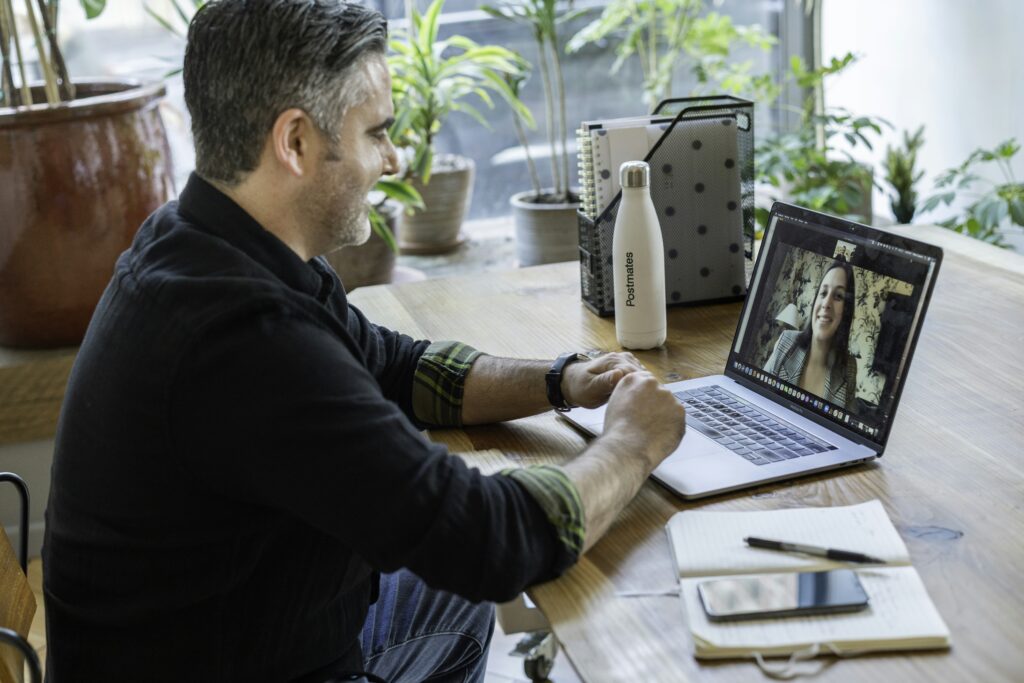
I’m part of a growing trend of remote workers who perform tasks from anywhere with an internet connection. The digital age has allowed for a detachment from the traditional office space, giving rise to digital nomads and home-based professionals who value autonomy and flexibility.
Tools and technology enabling telecommuting
Remote work would not be possible without tools such as Slack, Zoom, and Trello, which enable seamless communication and project management. I’ve benefited from these technologies, as they have allowed me to engage with teams spread across different time zones as if we were in the same room.
Work-life balance in the remote work era
Achieving work-life balance as a remote worker requires discipline and boundary setting, and it can be both a blessing and a challenge. On one hand, I’ve found that the lack of a commute provides me more time for personal activities. On the other hand, the blurring of lines between work and home life can sometimes lead to burnout if not carefully managed.
Artificial Intelligence and Automation
How AI is changing the workplace
Artificial intelligence has made its way into the workplace, automating complex tasks and providing insights through data analysis that were previously not possible. In my experience, AI has enhanced productivity but has also necessitated a change in the way I approach my work.
The future of jobs in an automated world
With the automation of routine tasks, the job market is gradually shifting. Some fear that AI will lead to widespread job displacement, while others see it as an opportunity to augment human capabilities and create new kinds of employment.
Reskilling for an AI-driven economy
To remain competitive, I understand the importance of reskilling. Diverse skill sets and a commitment to continuous learning will be crucial as the job market evolves. Cultivating adaptability and embracing change are essential in an economy increasingly driven by AI.

The Role of Education and Continuous Learning
Lifelong learning in a rapidly changing job market
The fast-paced changes in technology and the economy have underscored the importance of lifelong learning. I’ve found it vital to keep up with emerging trends, acquire new skills, and stay relevant in my profession.
The shift in higher education
Traditional higher education is being transformed as well, with more emphasis on skills that align with the evolving job market. Online courses and micro-credentials have become popular, providing flexible and targeted options for professional development.
Corporate training and upskilling programs
Many forward-thinking companies now invest in training and upskilling programs to prepare their workforce for future challenges. As a participant in such programs, I can attest to their usefulness in ensuring I am equipped with the latest skills and knowledge relevant to my field.
The Impact of Robotics on Manufacturing Jobs
Robots in the modern factory
Robots have become commonplace in the modern factory, taking on tasks that are repetitive, dangerous, or require precision beyond human capability. Their integration has led to increased productivity and safety in manufacturing processes.
Job displacement vs. augmentation
The conversation around robots often revolves around the potential for job displacement, but I’ve also seen how they can augment existing jobs. By handling monotonous tasks, robots have allowed me and my colleagues to focus on more creative and complex problem-solving activities.
The new skills required for a robotic workplace
A robotic workplace demands a new skill set, including robot maintenance and programming. Workers, including myself, need to embrace these changes, seek training in these areas, and find ways to work collaboratively with robotic counterparts.

The Sharing Economy
Understanding the sharing economy model
The sharing economy model, based on sharing access to goods and services rather than owning them, has had significant implications for many industries. I’ve experienced this through platforms like Uber and Airbnb, which offer more flexibility and choices for both providers and users.
Effects on traditional business sectors
Traditional business sectors are being disrupted by the sharing economy which values access over ownership. This shift has impacted sectors like transportation and hospitality, leading to increased competition and necessitating innovation and adaptation.
Regulatory challenges and the sharing economy
The growth of the sharing economy has outpaced regulation in many cases, leading to challenges in standardization and fair practice. As someone who participates in this economy, I’m aware of the need for a balance that protects both providers and consumers while allowing innovation to thrive.
Virtual Reality and Augmented Reality at Work
Training and simulations using VR/AR
Virtual Reality (VR) and Augmented Reality (AR) technologies have revolutionized training and simulations. They provide immersive experiences that can replicate real-life situations, which I’ve found extremely beneficial for high-risk industries or complex procedures.
Enhanced customer experiences through AR
In retail and marketing, AR can offer enhanced customer experiences that blend the physical with the digital. I’ve seen how companies use AR to allow customers to visualize products in their own space before making a purchase, improving engagement and satisfaction.
The future of the workplace with VR/AR integration
VR/AR integration promises a future workplace where physical presence is further abstracted. As someone who actively uses these technologies, I foresee a work environment where virtual meetings are as productive as their real-world counterparts, and complex problems are solved using virtual collaboration tools.
Sustainability and Green Jobs
The rise of the green economy
The green economy, with its focus on sustainability and environmental responsibility, is on the rise. I’ve noticed a growing demand for green jobs that aim to address climate change and promote renewable energy, waste reduction, and sustainable practices.
Sustainable business practices and job creation
Companies are increasingly adopting sustainable business practices, which in turn creates new jobs. In my professional network, I’ve seen an uptick in roles dedicated to sustainability initiatives, indicating that these practices are not just ethically imperative but also economically viable.
The role of technology in sustainability
Technology plays a crucial role in sustainability by enabling efficient resource use and minimizing waste. From smart grids to clean energy innovations, I’ve embraced technology-driven solutions that promote environmental stewardship while supporting economic growth.
Mental Health and Well-being in the Workplace
The importance of mental health support at work
Mental health has become a crucial conversation in the workplace. I understand that support for emotional wellbeing is as vital as that for physical health, leading to better job performance and overall life satisfaction.
Initiatives for stress reduction and well-being
Companies are implementing various initiatives to reduce stress and promote well-being. From flexible work arrangements to wellness programs, I’ve benefited from policies that place a higher value on work-life balance and employee support.
The role of employers in promoting mental health
Employers have a pivotal role in fostering a work environment that supports mental health. I appreciate those employers who acknowledge this responsibility and provide resources like counseling services, stress management workshops, and a culture of openness around mental health issues. Working towards a future where this approach is universal continues to be essential.